About the Property
THE PROPERTY:
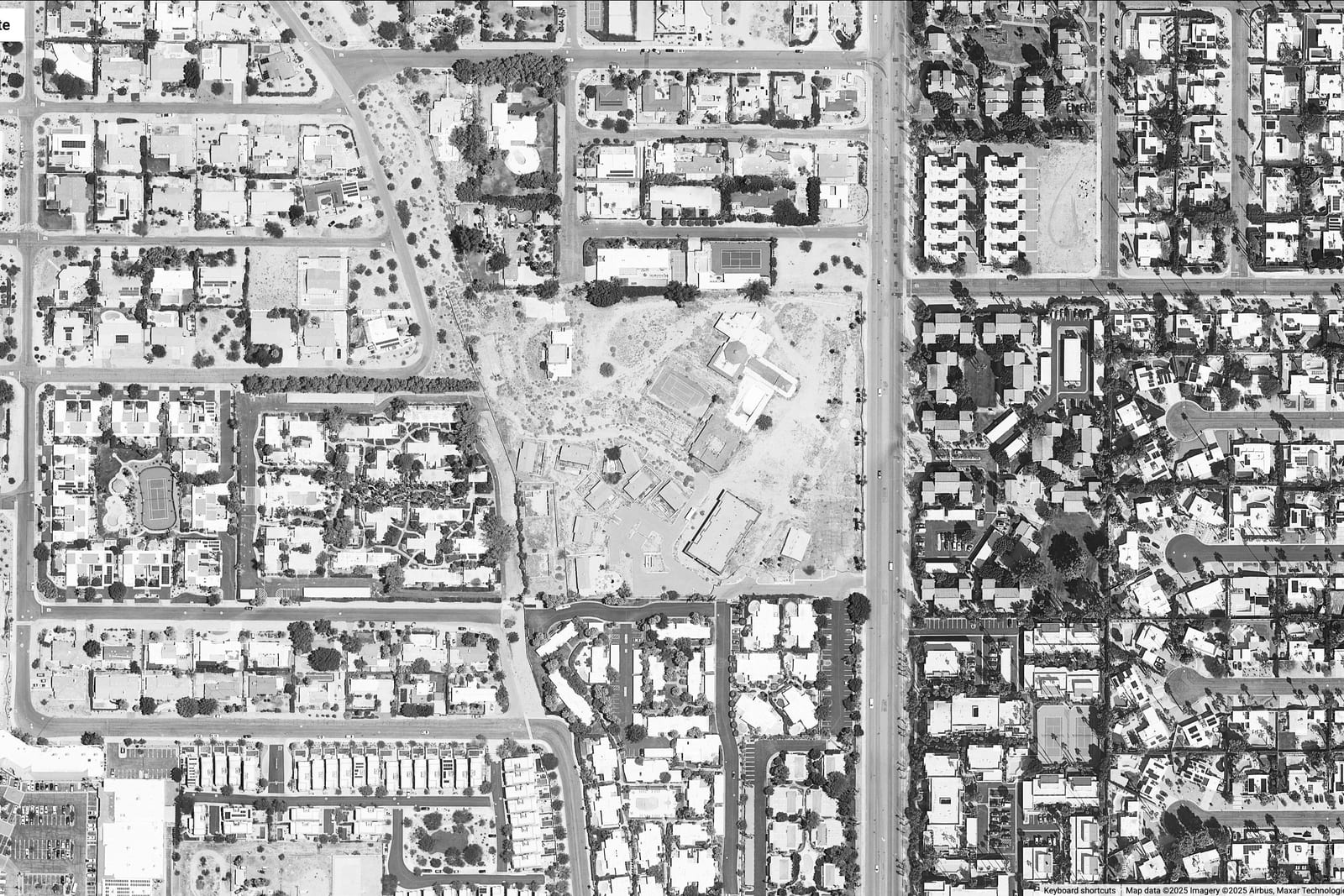
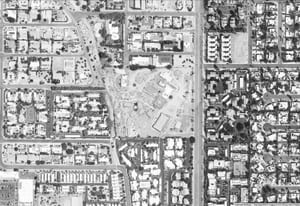
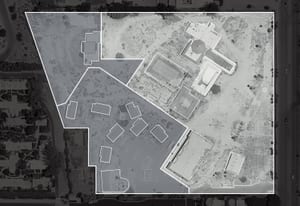
Introducing an exceptional commercial development opportunity in the heart of the desert’s most celebrated destination. Spanning 10.08 acres, this premier Palm Springs parcel, once home to the legendary Racquet Club of Palm Springs, combines scale, presence, and possibility, an increasingly rare offering within one of California’s most sought-after luxury markets.
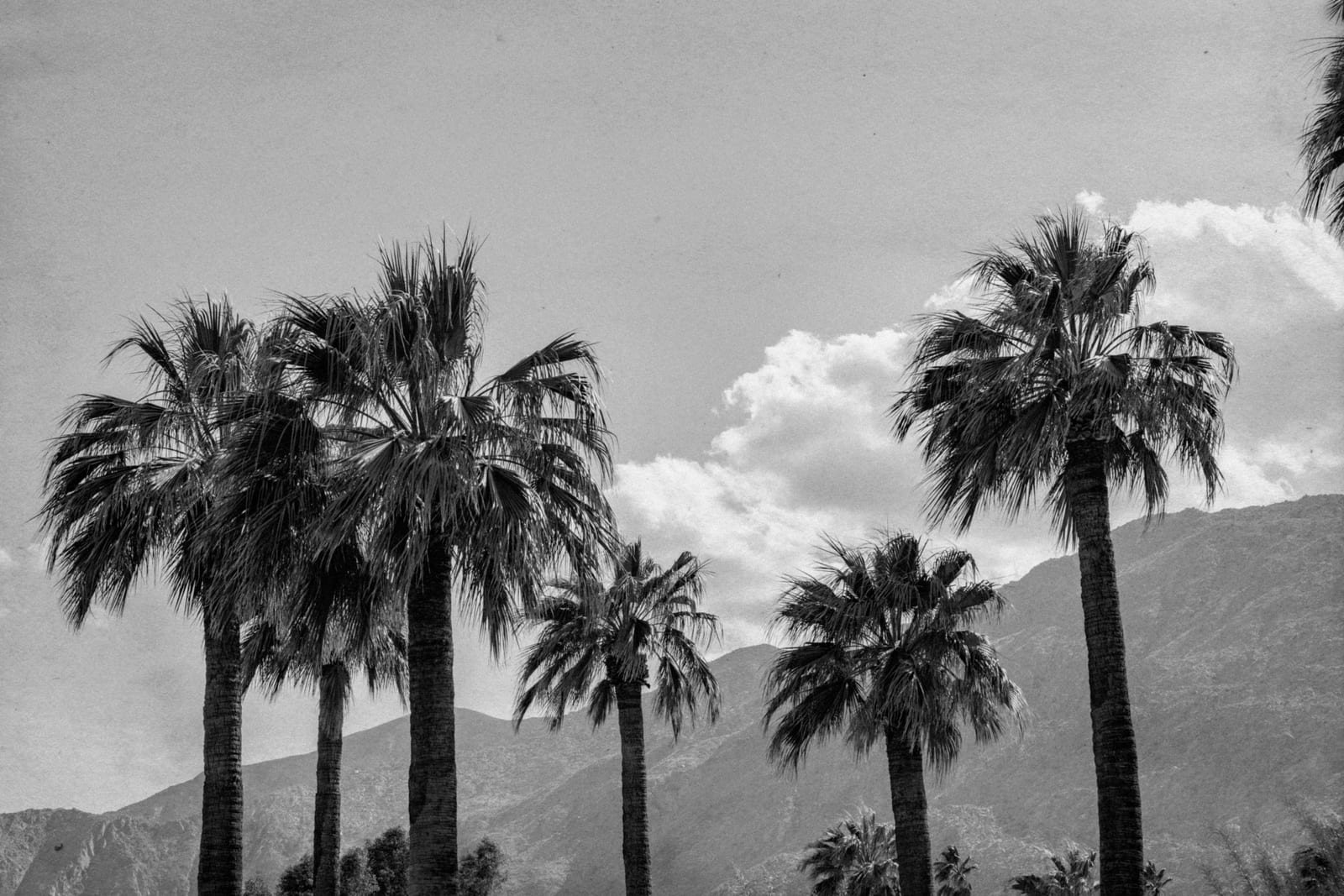
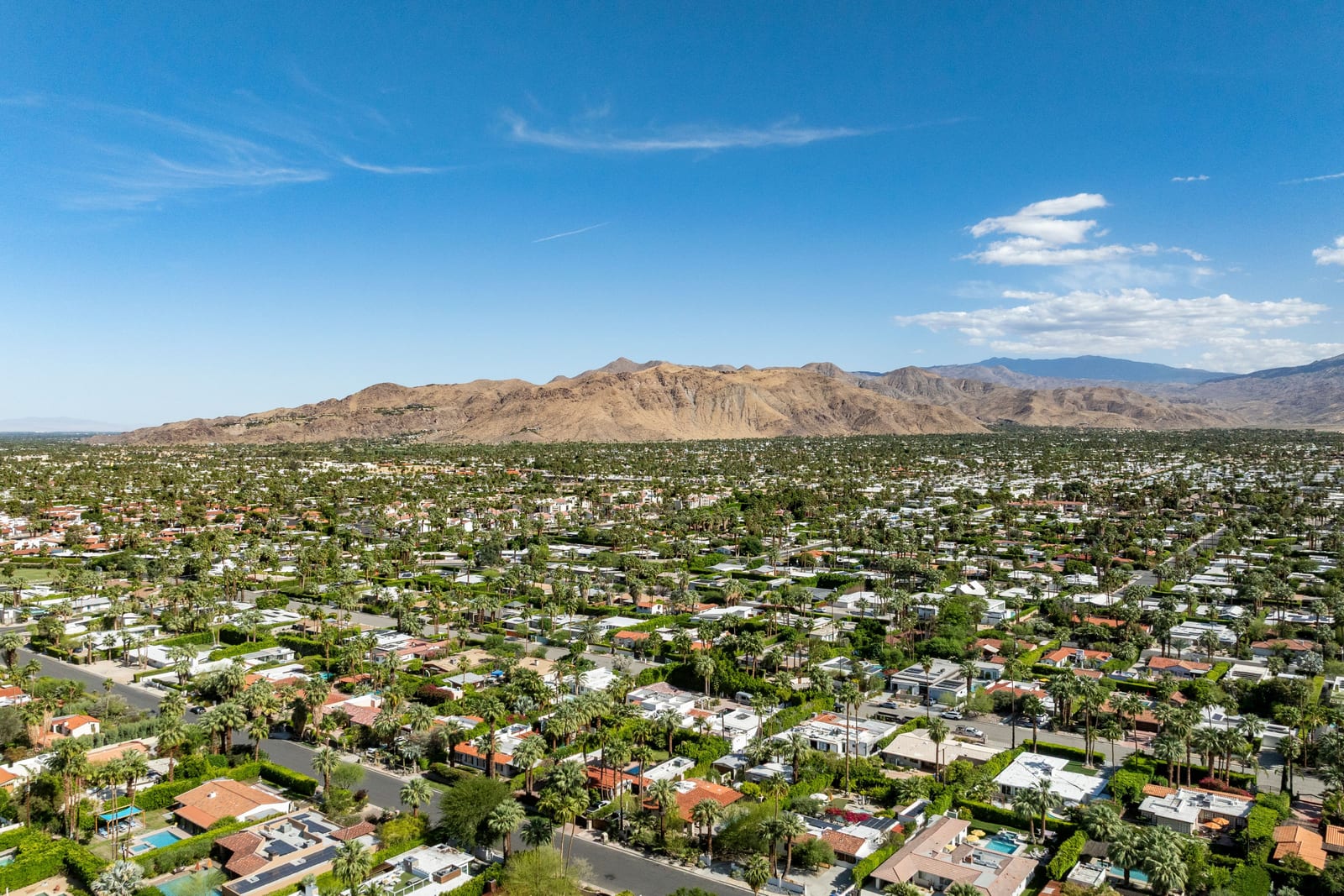
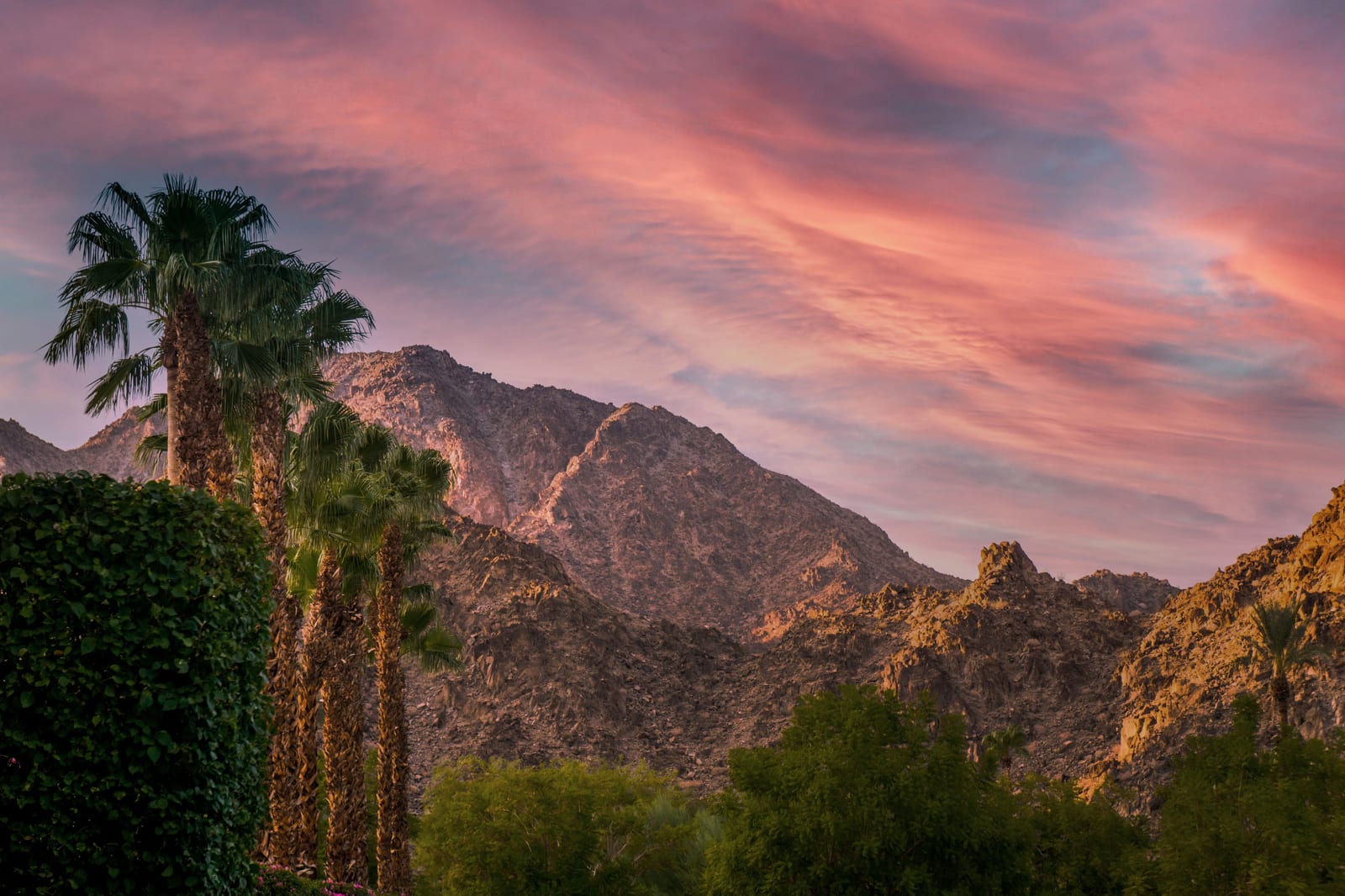
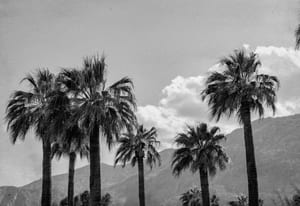
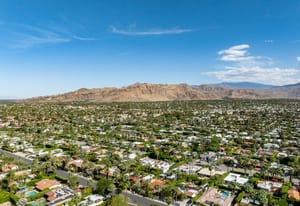
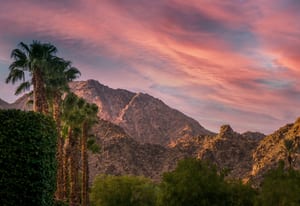
Beautifully positioned in North Palm Springs, the property showcases impressive frontage, dramatic mountain views, and effortless connectivity to downtown, world-class resorts, golf, and the region’s finest dining and retail. Its flat, expansive terrain and flexible commercial zoning create a compelling canvas for a landmark vision, whether a boutique resort enclave, luxury wellness retreat, curated mixed-use concept, or sophisticated residential development.
A property of this caliber is seldom available. For the developer or investor seeking a distinctive opportunity in Palm Springs, this offering stands apart, poised for a visionary project deserving of its remarkable setting.
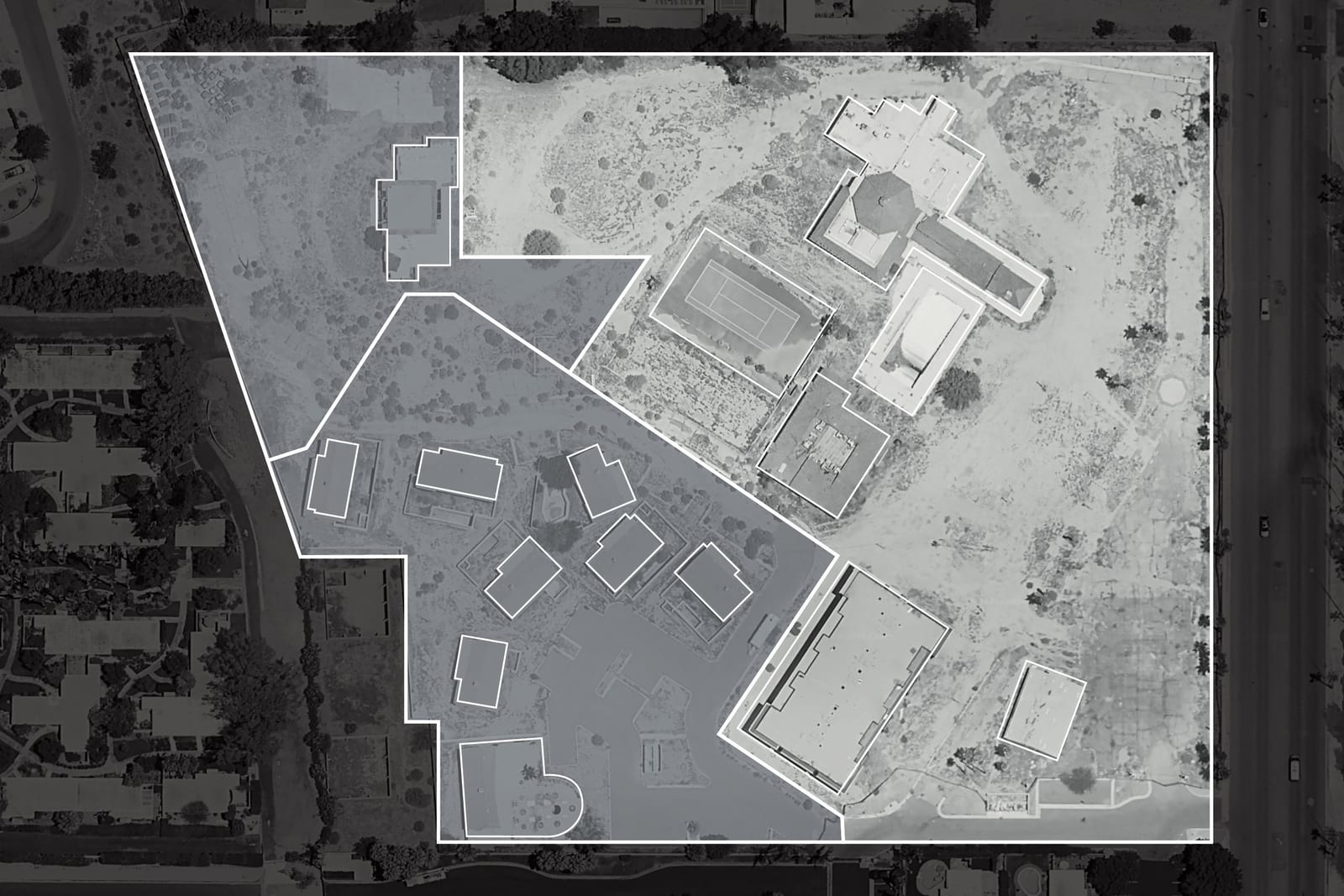
In January 2021, the Palm Springs City Council granted Class 2 Historic Resource status to five remaining structures associated with the former Racquet Club of Palm Springs. This designation provides greater flexibility in how the identified buildings may be restored, interpreted, or even relocated within the site, allowing for thoughtful preservation that can adapt to future development plans.
The structures recognized under this designation include:
The Schiff House
The Adjacent Bungalow
The Main Swimming Pool and Surrounding Deck
One Tennis Court
The Former Iconic Bamboo Lounge
The site is currently zoned R-2, though it carries two General Plan designations: Medium Density Residential (single-family homes, patio homes, duplexes, townhomes, multiple-family, and mobile home projects) and Tourist Resort Commercial (large-scale resort hotels and timeshares including a broad range of convenience, fitness, spa, retail, entertainment and recreation uses). For projects the city considers beneficial or impactful, Palm Springs has the ability to apply its Planned Development District process in place of existing zoning and to consider General Plan Amendments, creating opportunities for alternative development possibilities.
THE HISTORY
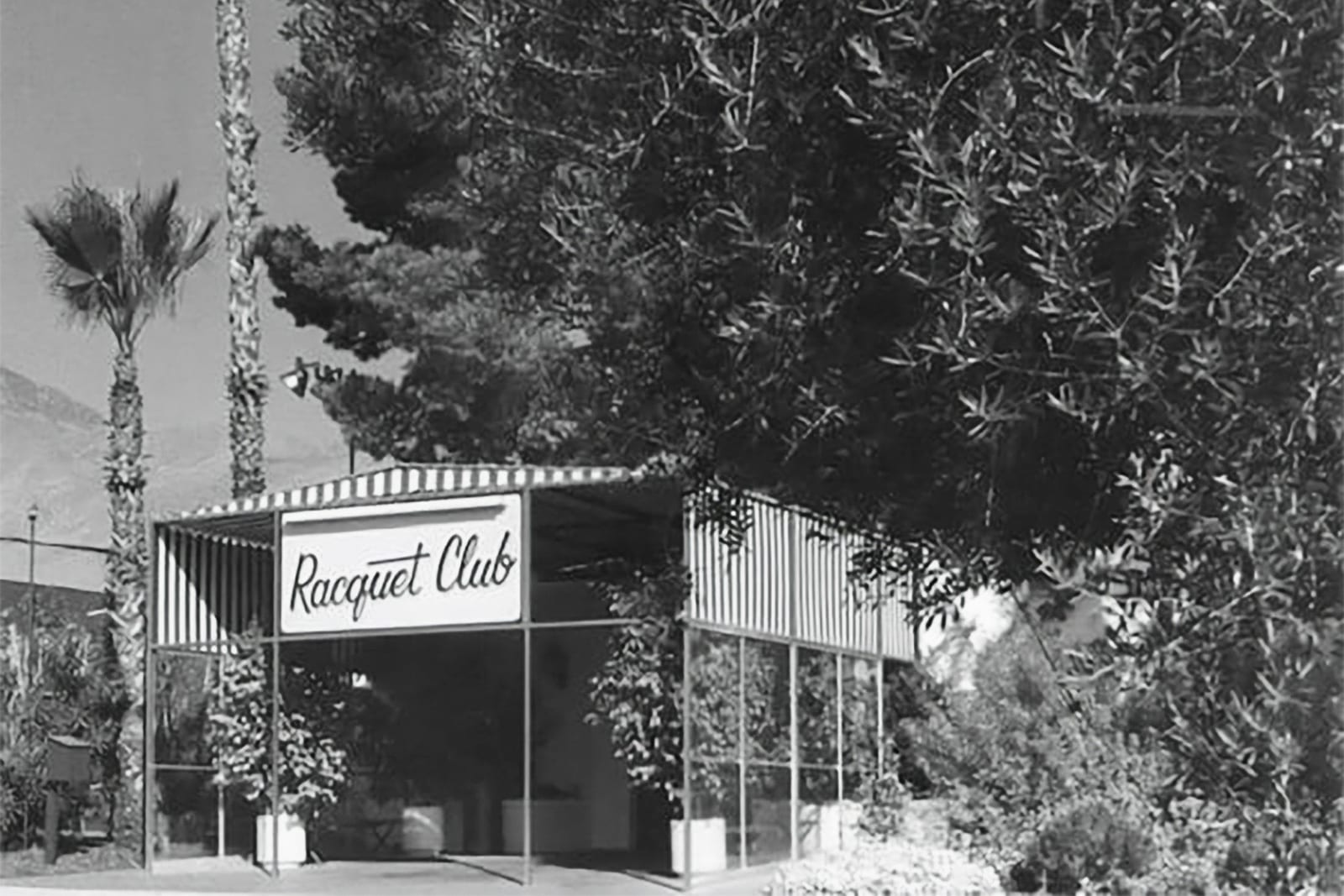
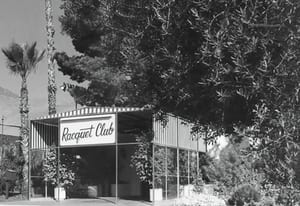
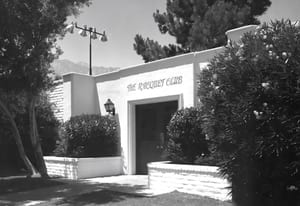
What began as a simple dream shared by friends soon became a social phenomenon. By 1934, Charlie Farrell and Ralph Bellamy’s private vision had transformed into a retreat where stars set aside studio schedules and slipped into desert serenity. Located near Movie Colony, the remote setting, whispered invitations and relaxed sophistication created a natural exclusivity as A-list names mingled as neighbors with racquets in hand or cocktails by the pool. Frank Sinatra, Marilyn Monroe, Humphrey Bogart, Audrey Hepburn, Kirk Douglas, Doris Day, Lana Turner and Clark Gable were among the regulars wandering through the club’s tranquil courtyards.
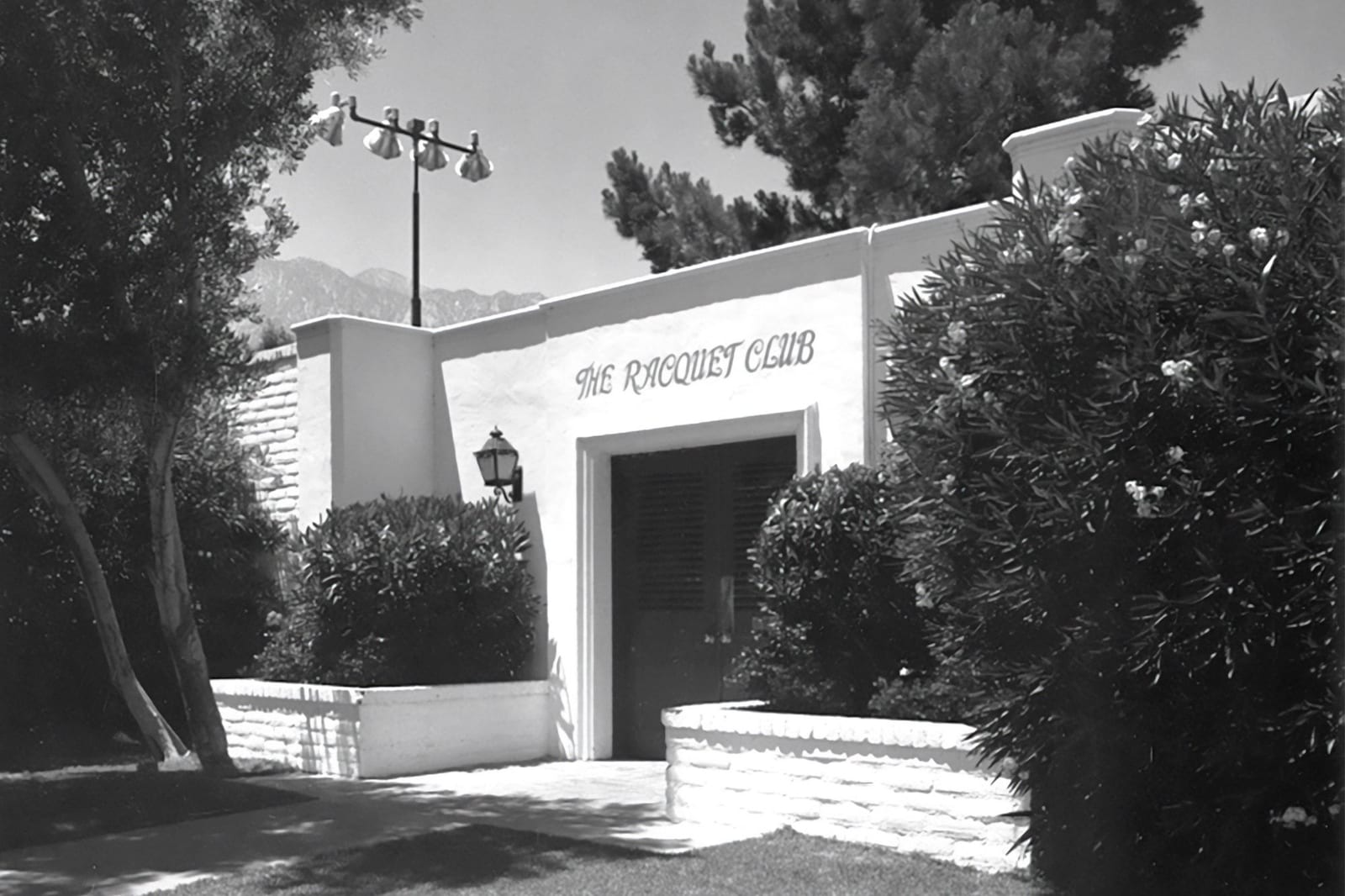
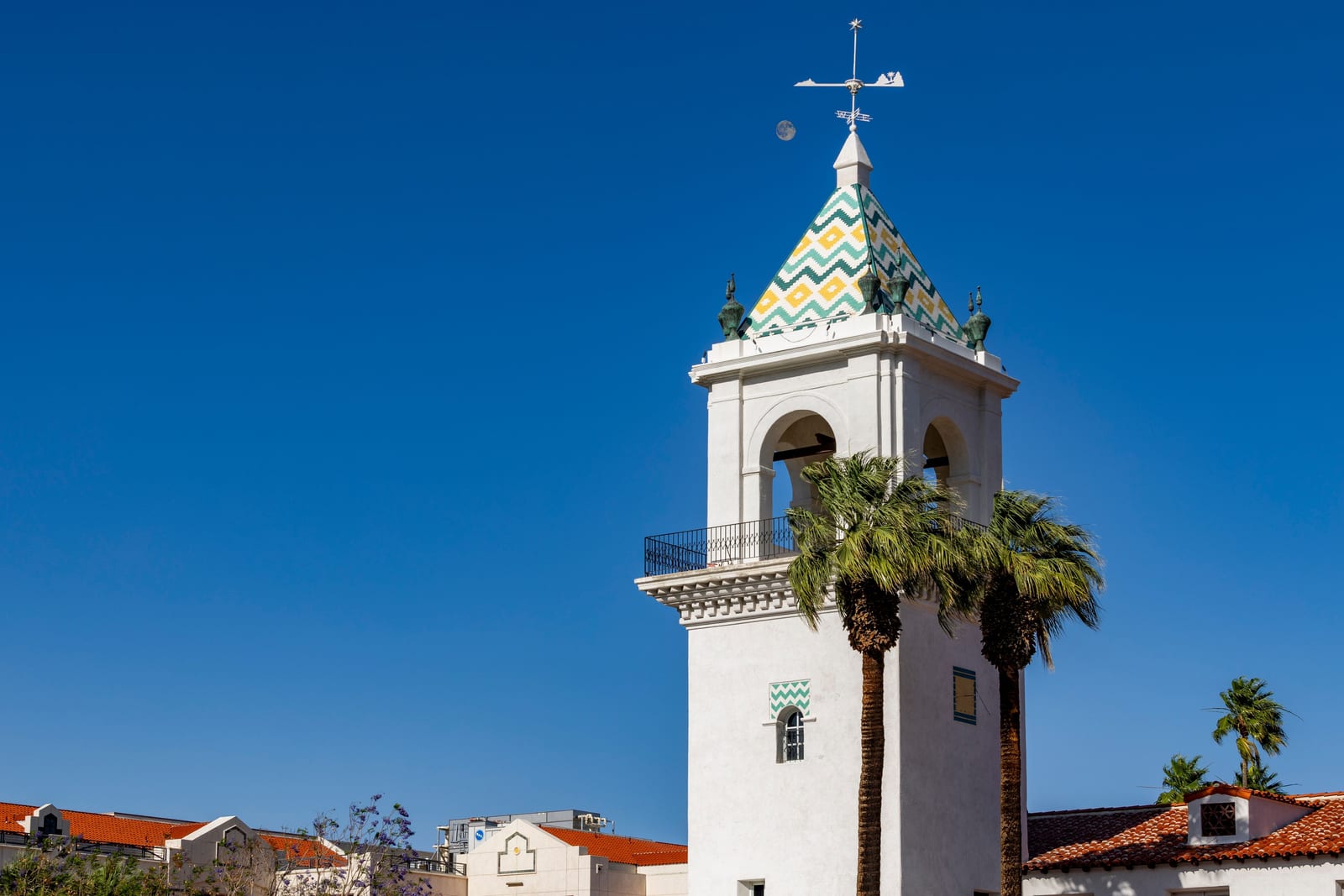
The Racquet Club presented an aesthetic of white stucco walls, terracotta roofs and flourishing gardens that framed peaceful pathways and elevated the romance of desert living. Inside, graceful lines, natural textures and understated luxury created rooms that welcomed both celebrities and tennis enthusiasts. Over time, the property continued to evolve. The pool came to life in 1935 and the famous Bamboo Lounge opened in 1937. The dining room expanded twice as acclaim grew. Cottages appeared along the creek in 1946 and again in 1956, becoming coveted hideouts for guests seeking privacy, quiet indulgence, and desert living.
When actors and tennis enthusiasts Charlie Farrell and Ralph Bellamy allegedly had trouble getting on the tennis courts at El Mirador Hotel, they decided to start their own place. Opening day started with two courts and a snack bar. Tennis was the heartbeat of the club, hosting friendly matches and moments of legend. Icons including Arthur Ashe, Chris Evert, Jimmy Connors and Billie Jean King graced its red clay courts. In 1975, The Racquet Club hosted the Davis Cup Americas Zone Tournament, securing its place in tennis history as members drifted between matches, cocktails in the breezy Bamboo Lounge and leisurely afternoons in the gardens.
Though time changed, the affection for The Racquet Club held firm. Renovations in 1977 and 1999 attempted to preserve its essence while honoring its character. By 2013, it was listed as one of Palm Springs’ most endangered historic treasures. A fire in 2014 left only echoes of its past, yet its memories and imagery refused to fade as it lives on in the stories retold, in the films and photographs that captured its magic and in the desert light that still carries hints of laughter on warm evening air. It remains one of the most cherished chapters in the evolution of Palm Springs, a testament to the city’s lasting dedication to leisure, beauty and timeless style.
INVESTING IN THE FUTURE
Palm Springs stands as one of the West Coast’s most enduring luxury destinations—an oasis where iconic mid-century architecture meets a vibrant cultural landscape and an ever-expanding tourism economy. Renowned for its world-class resorts, championship golf courses, and sophisticated dining and retail experiences, the city attracts discerning travelers from around the globe. With more than 14 million visitors annually across the Greater Palm Springs region, the demand for elevated hospitality, curated shopping districts, and design-forward commercial environments remains consistently strong. Palm Springs’ unique blend of natural beauty, architectural heritage, and lifestyle appeal creates a setting where exceptional developments not only thrive but become part of the city’s legacy.
For investors and developers, Palm Springs offers a rare convergence of stability, growth, and unrivaled lifestyle branding. The region continues to experience rising population trends, robust infrastructure investment, and an increasingly diversified economic base. Its business-friendly climate, proximity to major Southern California metros, and reputation as a luxury and wellness hub further enhance its commercial desirability. Whether reimagining an iconic property or introducing a new flagship concept, commercial investments here are elevated by the city’s global cachet and its enduring appeal to affluent residents, visitors, and second-home owners.